Items & Finds
Collectible dig results in Dig & Clean: known families, clean/reveal lifecycle, and how finds feed the museum.
For first-session steps, see how to play. For display goals, see the museum guide.
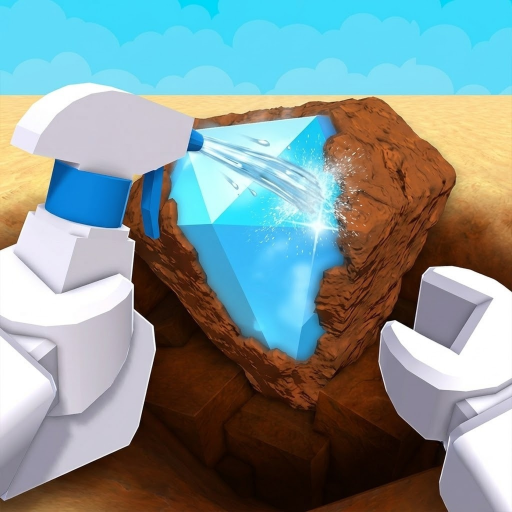
In Dig & Clean, dig results are not finished when they leave the ground. Known dig families are dirty junk and buried treasure. Both stay dirty until a spray bottle cleans them. Cleaning is how identity is revealed.
After cleaning, finds are sorted. Some are clutter; some are museum keepers. Long-horizon goals center on rare finds for personal museum display.
Overview
Dig finds fuel the collector loop. Shovels create them. Spray bottles reveal them. The museum stores keepers. Without cleaning, dig volume is only a dirty queue.
Item families
| Family | Source | Player meaning | Status |
|---|---|---|---|
| Dirty junk | Game description | Common dig target. Starts dirty. Clean before judging value. | Known |
| Buried treasure | Game description | Second dig target. Still needs spray clean; not auto-rare. | Known |
| Rare finds | Rare-hunt framing | Museum flex goal. Names and rates not listed. | Partial |
Dirty junk
Definition
Dirty junk is a dig family. “Dirty” describes the pre-clean state, not a permanent trash verdict. After spraying, the object can be identified and sorted.
Notes
- Do not skip cleaning because the family is called junk.
- Junk volume still trains the dig → clean rhythm.
- Museum value is decided after reveal, not at dig time.
Buried treasure
Definition
Buried treasure is the second dig family. The name sounds valuable, but identity still comes after cleaning. Treasure is a dig-family label, not a guaranteed rare drop.
Notes
- Treat treasure as “needs reveal,” not “auto museum.”
- Same clean step as junk: spray before keep/skip.
- Do not import treasure tables from other dig games.
Rare finds
Definition
Rare finds are long-horizon collectibles tied to museum display. Named rarity ladder: Unknown.
| Field | Status |
|---|---|
| Existence as a collection goal | Known |
| Named item list | Unknown |
| Drop rates | Unknown |
| Museum slot rules | Unknown |
Find lifecycle
| # | Stage | What happens | Unlocked decision |
|---|---|---|---|
| 1 | Dig | Shovel pulls a dirty object (junk or treasure family) | Nothing reliable yet |
| 2 | Clean / reveal | Spray bottle makes the find identifiable | Read what it is |
| 3 | Sort | Keep museum-worthy finds; deprioritize clutter | Keeper vs skip |
| 4 | Display | Strong or rare finds enter personal museum | Collection progress |
If digs outrun cleaning, the result is a dirty queue. That is a tool-balance issue—see shovels and spray bottles.
Finds and the museum
Finds are fuel. The museum is the showcase. Cleaning sits between them: you cannot curate what you have not revealed.
| Find state | Museum readiness | Action |
|---|---|---|
| Dirty | Not ready | Spray clean first |
| Cleaned, common | Low priority | Skip or temporary hold |
| Cleaned, strong/rare | High priority | Museum display candidate |
Systems map: Museum & game loop. Player walkthrough: museum guide.
Data status
- Dirty state
- Pre-clean condition of a dig object. Identity not finished.
- Reveal
- Cleaning step that converts a dirty dig into an identifiable find.
- Keeper
- A cleaned find retained for museum or long-term value.
- Dirty queue
- Too many uncleaned digs when shovel throughput outruns spray capacity.
| Field | Status |
|---|---|
| Known families | Dirty junk · Buried treasure · Rare finds |
| Full named catalog | Unknown |
| Drop rates | Unknown |
| Sell values | Unknown |
| Museum slot rules | Unknown |
See also
Not to be confused with Dig All Dinos or DIG.
FAQ
What do you dig up in Dig & Clean?
Dirty junk and buried treasure. Both start dirty and need a spray bottle before identity is clear.
What are rare finds?
Long-horizon collectibles for museum display. Named rarity table: Unknown.
Can I identify a find before cleaning it?
No. Cleaning is the reveal step: spray first, then decide keep or skip.
Are dig finds the same as promo codes?
No. Dig finds come from the dig-clean loop. Promo codes are separate reward strings on the codes page.
Is Dig All Dinos loot the same as Dig & Clean?
No. Different game.